
Wedding Attire: Three Cultures, One Celebration
One of the museum's most captivating recent presentations is Wedding Attire: Three Cultures, One Celebration, an exhibition that draws together bridal dress traditions from across the world. The display invites visitors to consider how the most personal of human rituals — marriage — is expressed through cloth, color, embroidery, and cut in ways that are at once radically different and surprisingly universal.
The Chinese Qing dynasty pieces are among the most breathtaking. Silk brocades embroidered with phoenixes and peonies, colors ranging from imperial red to subtle gold, speak to centuries of accumulated meaning. Beside them, garments from other traditions — each with its own symbolic vocabulary of color and ornament — make the exhibition a kind of conversation across time and geography.
The Antonio Ratti Textile Study and Storage Center
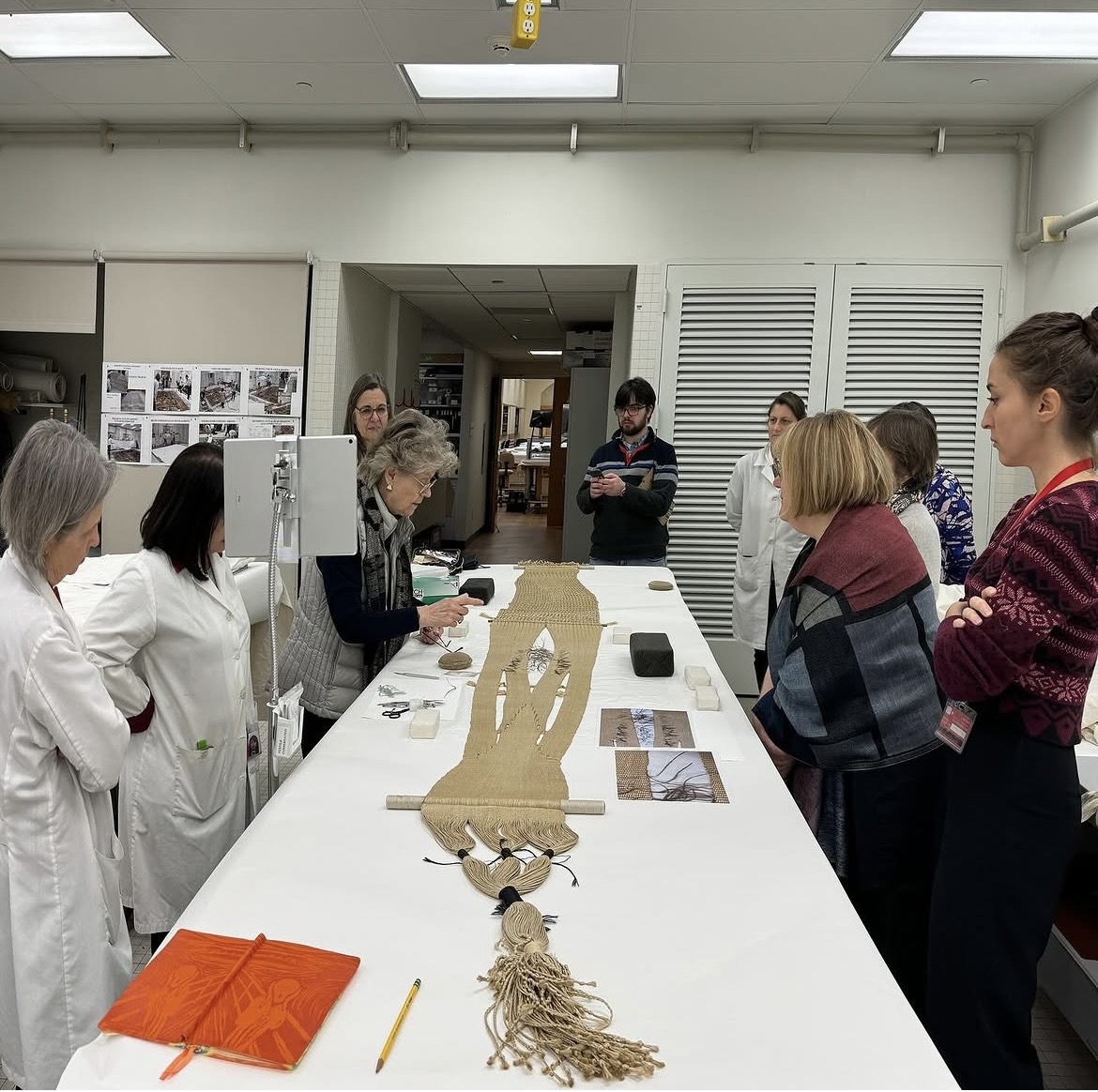
Behind the public galleries lies one of the museum's great hidden resources: the Antonio Ratti Textile Study and Storage Center. Opened in 1995 thanks to a generous gift from Italian textile manufacturer Antonio Ratti, the center transformed how the Met cares for and shares its collection. Before the Ratti Center existed, most of the textiles sat in storage, inaccessible to all but a handful of researchers.
Today, the center's custom-designed storage system houses all 36,000 textile objects in a climate-controlled environment. Flat drawers hold fragile pieces without folding; specially designed rollers cradle large hangings. A study room allows scholars, designers, students, and curious members of the public to examine objects up close, by appointment.
Conservation: The Science of Preservation
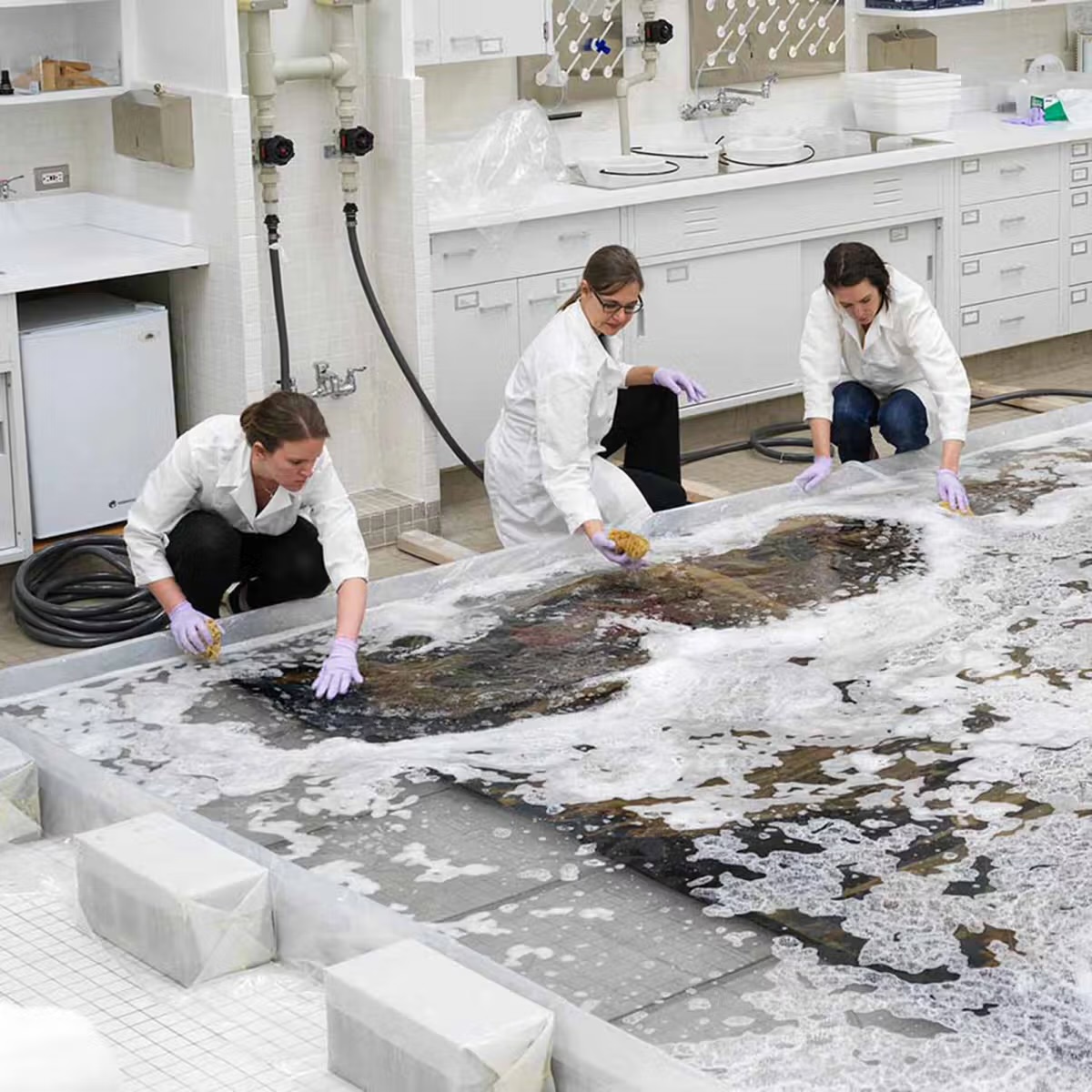
The Met's textile conservation laboratory is where the oldest and most fragile pieces are stabilized, cleaned, and prepared for display. The wet lab — a long, specially designed pool where conservators can fully immerse large tapestries — is one of the most remarkable workspaces in any museum in the world.
I was shown photographs of the process: conservators in lab coats gently guiding an enormous tapestry through a bath of purified water, years of accumulated grime slowly releasing from threads that had not been fully clean in centuries. The tapestry emerged transformed — colors more vivid, the design newly legible.
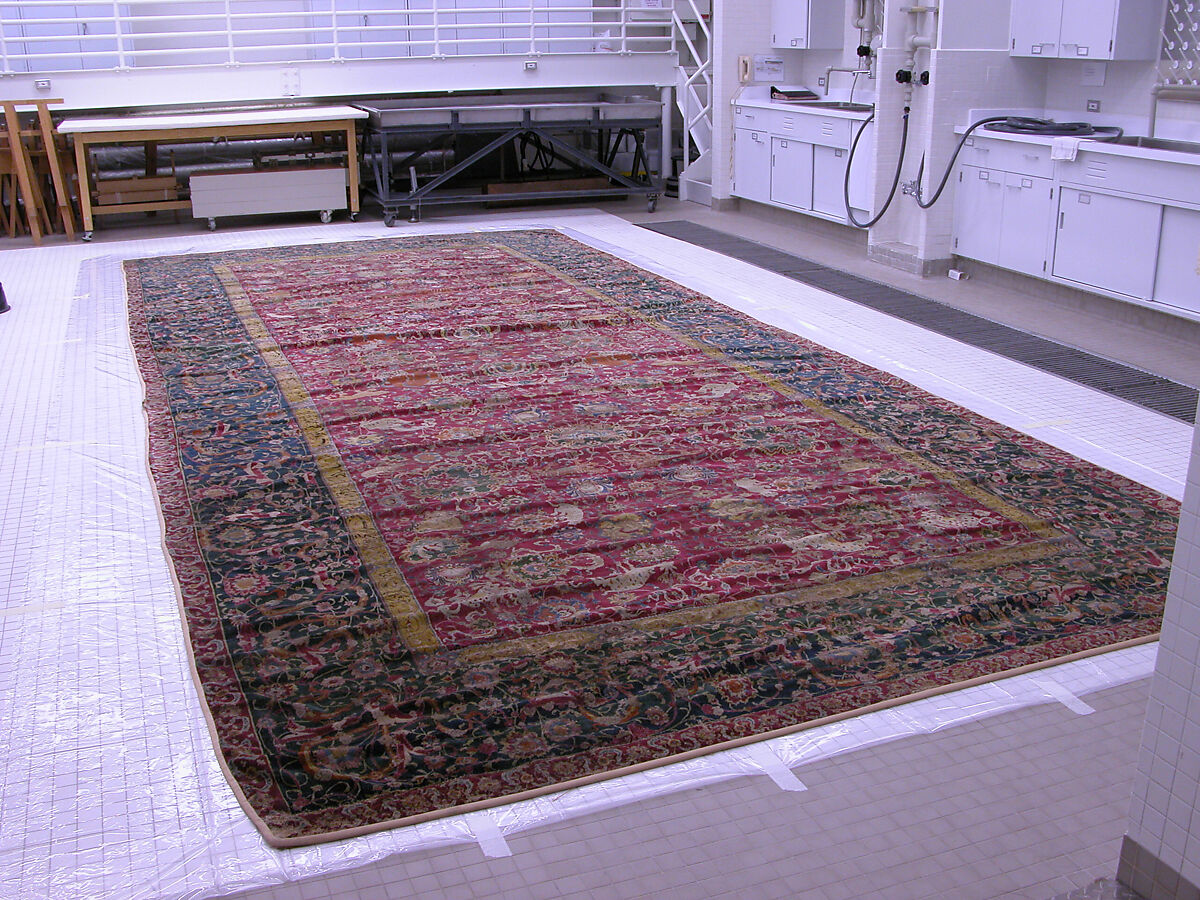
Among the most celebrated objects in the collection is The Emperor's Carpet, an Iranian masterwork from the Safavid period dating to the early sixteenth century. At more than twenty-six feet in length and nearly thirteen feet wide, it is one of the largest and most technically accomplished Islamic carpets known to survive. Its field of hunting animals, arabesque foliage, and mythical creatures is rendered in wool and silk with a density and precision that defies belief. Conservation work on the carpet has revealed details invisible to the naked eye.
Interwoven Globe: The Worldwide Textile Trade
The 2013 exhibition Interwoven Globe: The Worldwide Textile Trade, 1500–1800 remains a landmark in how the museum has presented its textile holdings. The show traced the extraordinary web of exchange that carried cloth — and the ideas embedded in cloth — across oceans and continents during the age of exploration.
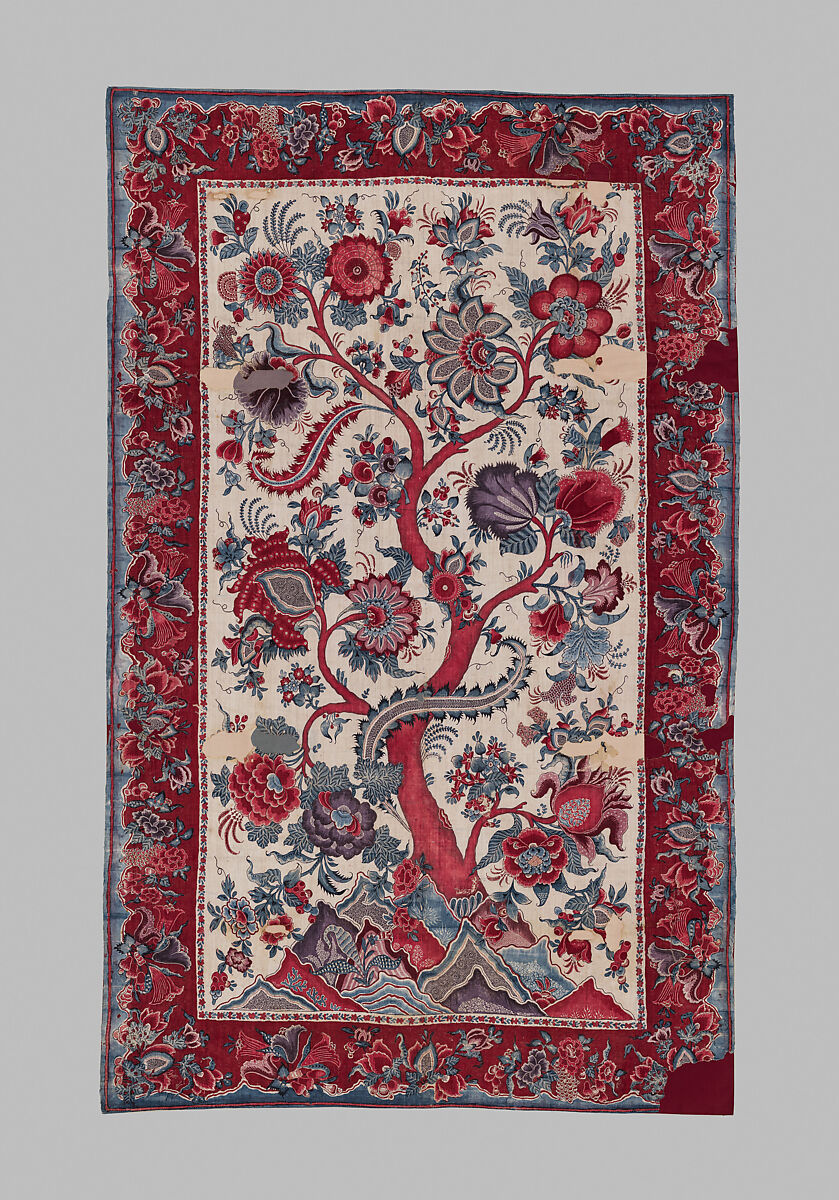
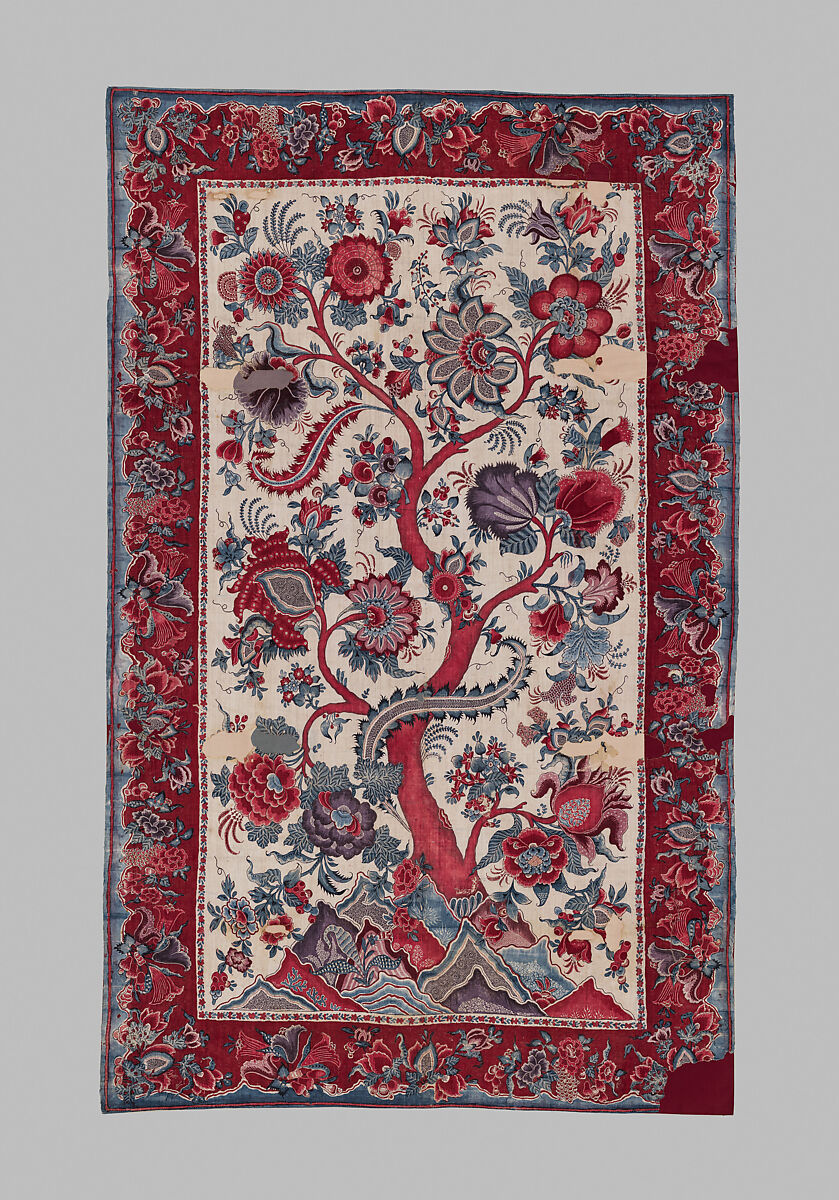
Indian cotton palampores — large painted and printed bed covers — traveled to Sri Lanka, to Europe, and to the Americas, each time adapting to local tastes while carrying traces of their origin. European manufacturers scrambled to imitate Indian techniques they could not fully replicate, driving technological innovation and eventually the Industrial Revolution itself.
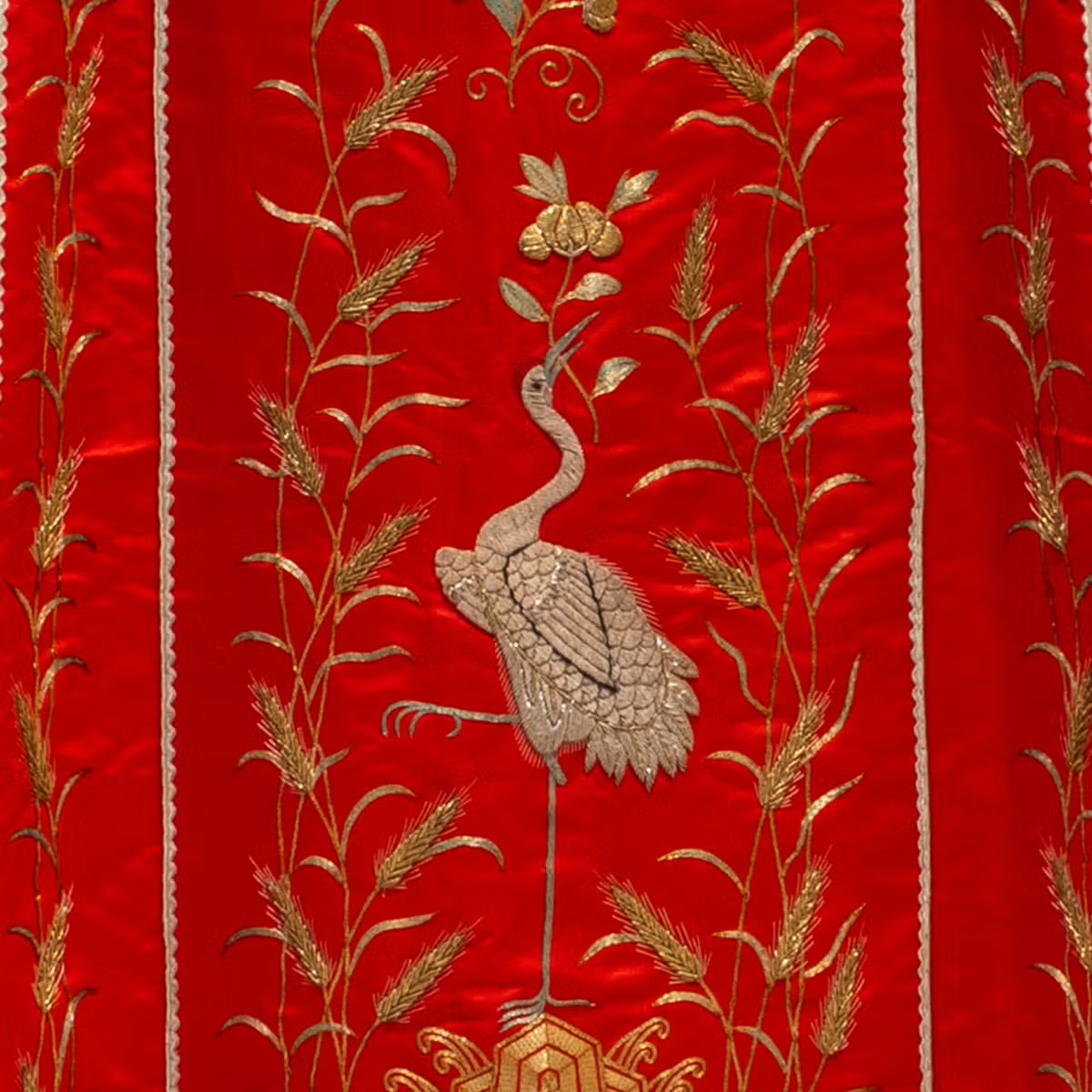
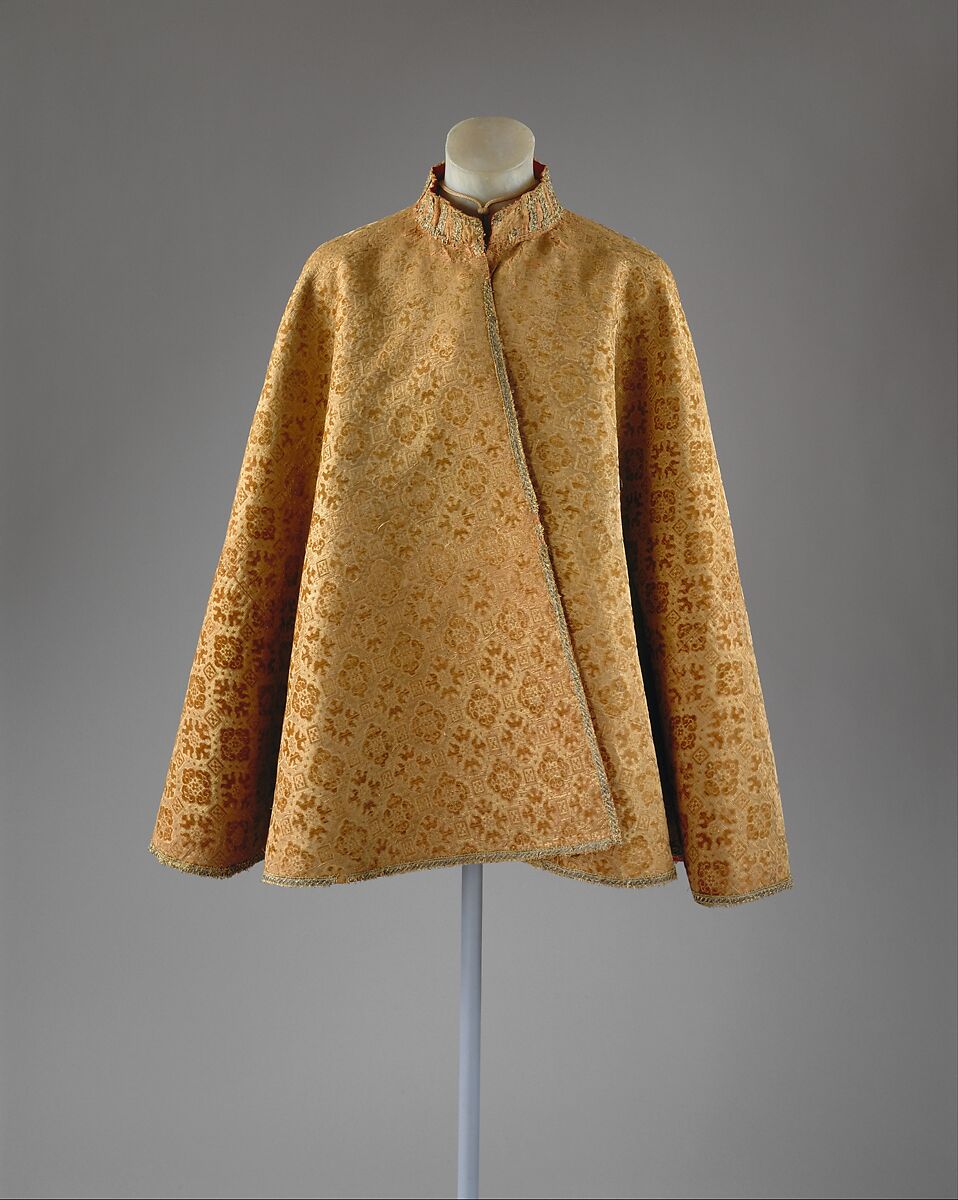
European luxury textiles tell their own story of ambition and exchange. A French cape from the sixteenth century — silk embroidered with gilt and silvered thread, a gift to the museum from J. Pierpont Morgan in 1917 — represents the pinnacle of Renaissance textile craft. Its surface catches light in ways that photographs can barely capture; to see it in person is to understand why such objects were treated as treasures equivalent in value to jewels or paintings.
A Portrait and a World
Peter Paul Rubens's 1617 Portrait of Nicolas Trigault in Chinese Costume hangs in the Met as one of those rare works that crosses every category. Trigault was a Flemish Jesuit missionary who traveled to China and returned to Europe in Chinese dress, his mission to present Chinese scholarship to a Western audience. Rubens painted him in the silk robe he wore on that diplomatic journey — and the painting is as much about the robe as about the man. The textile, depicted with Rubens's incomparable ability to render fabric, becomes a symbol of the entire interwoven world the collection explores.
To walk through the Met's textile galleries — or, better, to sit in the Ratti Center study room with a piece of sixteenth-century Indian cotton in your white-gloved hands — is to feel the full weight of what cloth has meant to human beings: protection and beauty, status and story, trade and art, all at once. It is among the richest experiences any museum in the world can offer.